

Welcome to the magical world of childcare learning activities, where every child is a star waiting to shine! 🌟 Whether you’re a parent, educator, or just someone who loves kids, you know that the early years are crucial for laying the groundwork for lifelong learning. Think of these formative years as the foundation of a skyscraper; if it’s solid, the building can reach incredible heights!
In this blog post, we’ll explore 15 engaging learning activities designed to make every child sparkle like a diamond. From preschool learning activities that ignite curiosity to hands-on projects that enhance fine motor skills, we’ve got something for everyone! And let’s not forget about the importance of play-based learning strategies because who says education can’t be fun?
With the right mix of interactive learning for children, creativity, and discovery, we can help our little ones develop essential skills while they’re having a blast. After all, when kids are engaged and excited about what they’re doing, they learn faster and retain more information!
This guide will also touch on key aspects of early childhood education, such as cognitive development in children, social skills development in early childhood settings, and even some nifty educational toys for kids that can make learning feel like playtime. So buckle up; let’s dive into these fantastic activities that will help your little gems shine bright!
Table of Contents
Understanding Childcare Learning Activities
When it comes to childcare learning activities, think of them as the secret sauce that makes early childhood education not just effective but also fun! These activities are designed to engage children in a way that sparks their natural curiosity and creativity. They encompass a wide range of experiences, from preschool learning activities that lay the foundation for future academic success, to toddler educational games that promote essential skills through play.
But what exactly do we mean by childcare learning activities? Well, they can be anything from hands-on projects that enhance fine motor skills to interactive learning using educational toys for kids. In essence, these are the building blocks of child development activities, tailored to meet the unique needs of each child.
The Role of Play in Learning
Play is often touted as a child’s work, and for good reason! Engaging in play-based learning strategies not only makes education enjoyable but also promotes cognitive development in children. Whether it’s through imaginative play ideas or STEM activities for preschoolers, these experiences foster critical thinking and problem-solving skills.
Diverse Activity Types
The beauty of childcare learning activities lies in their diversity. Here are some categories you might encounter:
- Sensory Play Ideas: Activities involving textures, smells, and sounds that stimulate the senses.
- Montessori Activities for Toddlers: Structured yet flexible tasks promoting independence and exploration.
- Literacy Activities for Kids: Engaging storytelling techniques that enhance language development.
- Math Games for Toddlers: Fun ways to introduce numeracy skills while playing!
- Cognitive Development Activities: Engaging puzzles and problem-solving games that challenge young minds.
Research shows that children who engage in a variety of interactive learning experiences are better prepared for school. So, let’s get those little brains buzzing!
The Importance of Outdoor Learning Experiences
Diving into nature is like hitting the refresh button on a child’s brain! Outdoor learning experiences for kids not only provide fresh air but also foster social skills development in early childhood. Nature is the ultimate classroom where children can explore and discover at their own pace.
No matter how you slice it, incorporating a mix of childcare learning activities ensures that every child has the chance to shine bright like a diamond!
The Importance of Play-Based Learning
Let’s face it: kids learn best when they’re having fun. Play-based learning is like the secret sauce in the recipe of childcare learning activities. It’s not just about filling their heads with facts; it’s about engaging their minds and hearts through play. Think of it as a magical potion that transforms ordinary learning into an extraordinary adventure!
Research shows that play is crucial for cognitive development in children. When kids engage in play, they’re not just goofing around; they’re honing skills that will serve them for a lifetime. From problem-solving games to imaginative play ideas, every activity becomes a stepping stone toward mastering new concepts.
Did you know? Studies indicate that children who participate in play-based learning show improved social skills and better emotional regulation. It’s like giving them a superpower!
Benefits of Play-Based Learning
- Enhances Creativity: Kids are natural inventors! Through creative arts and crafts for children, they can express themselves and think outside the box.
- Boosts Social Skills: Engaging in group activities helps toddlers develop essential social skills, like sharing and teamwork.
- Strengthens Fine Motor Skills: Activities such as sensory bins or hands-on projects improve dexterity and coordination.
- Aids Language Development: Storytelling techniques during circle time activities encourage language use and vocabulary expansion.
- Makes Learning Fun: Who said math games for toddlers can’t be entertaining? When learning feels like play, kids are more likely to engage!
Play-Based Learning Strategies
The beauty of play-based learning lies in its versatility. Here are some strategies to incorporate into your childcare learning activities:
- Sensory Play Ideas: Use materials like sand, water, or even slime to stimulate the senses while teaching basic concepts.
- STEM Activities for Preschoolers: Introduce simple science experiments that encourage exploration and inquiry.
- Montessori Activities for Toddlers: These hands-on approaches foster independence and critical thinking skills.
- Bilingual Learning Resources for Kids: Make language fun with interactive games that promote language acquisition through playful interactions.
A Common Misconception
A lot of people think play is just “wasting time.” Spoiler alert: It’s not! In fact, play is the foundation upon which all future learning is built. So the next time you see a child playing with blocks or dressing up as a superhero, remember they’re actually laying down the bricks of knowledge!

The bottom line? Embracing play-based learning strategies not only makes education enjoyable but also fosters a love for lifelong learning. By integrating these methods into your childcare programs, you are setting up every child to shine brightly on their educational journey!
Top 15 Engaging Learning Activities
Ready to turn your childcare learning activities into a dazzling experience? Here are 15 engaging activities that will not only captivate young minds but also foster essential skills!
- Preschool Learning Activities: Think colourful counting games and interactive story times that spark imagination.
- Toddler Educational Games: Simple puzzles and matching games that promote cognitive development in children.
- Kindergarten Learning Resources: Use fun worksheets and educational apps for kids to enhance literacy and numeracy skills.
- Sensory Play Ideas: Create sensory bins filled with rice, beans, or water beads for hands-on exploration.
- Montessori Activities for Toddlers: Introduce practical life skills like pouring, sorting, and planting seeds.
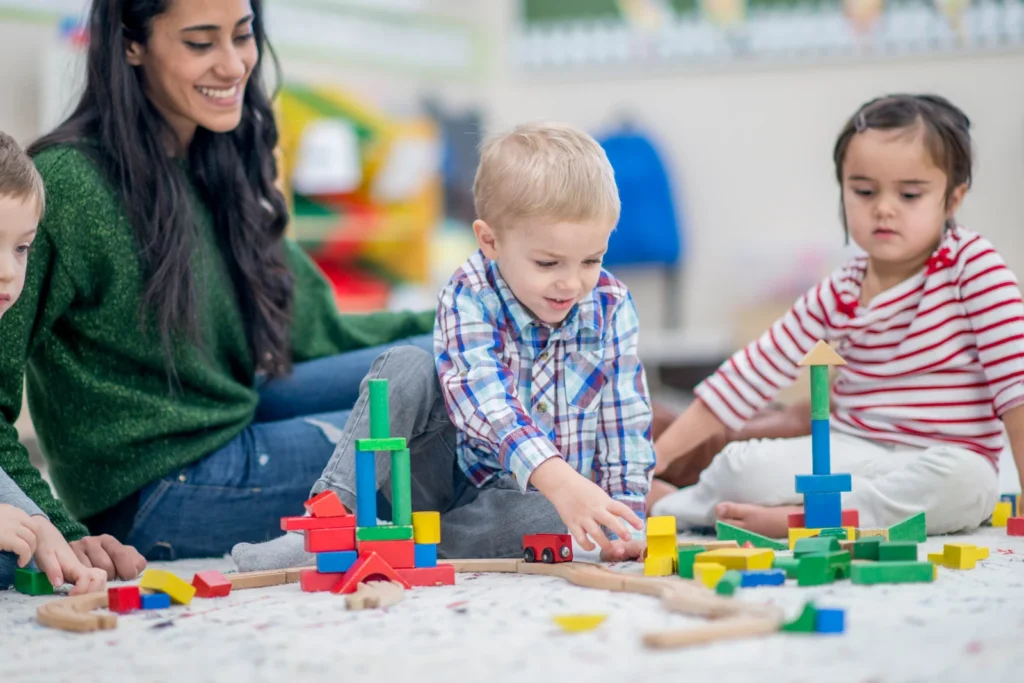
- STEM Activities for Preschoolers: Build simple structures with blocks or conduct fun science experiments for preschoolers.
- Creative Arts and Crafts for Children: Encourage creativity with painting, drawing, and crafting using recyclable materials.
- Outdoor Learning Experiences for Kids: Organize nature walks where children can explore the wonderful outdoors while learning about plants and animals.
- Music and Movement Activities for Children: Incorporate dance sessions where kids can express themselves through rhythm.
- Cognitive Development in Children through Problem-Solving Games: Engage them in scavenger hunts that require critical thinking!
- Literacy Activities for Kids with Storytelling Techniques: Use puppets to bring stories to life during circle time activities.
- Math Games for Toddlers and Numeracy Skills Development: Utilize counting songs or hopscotch to make math fun!
- Interactive Learning for Children with Educational Toys for Kids: Select toys that promote problem-solving skills, like building sets or logic puzzles.
- Fine Motor Skills Activities and Hands-On Projects for Kids: Provide playdough or clay to strengthen those tiny fingers!
- Bilingual Learning Resources and Language Development Activities for Toddlers: Introduce new languages through songs or bilingual storybooks to enhance language development activities.
Remember, the key is variety! Mixing different types of childcare learning activities keeps children engaged while promoting holistic development.
Strategies to Enhance Engagement in Early Childhood Education
When it comes to childcare learning activities, keeping little minds engaged is key! Here are some strategies that can help turn your early childhood education program into a vibrant hub of excitement and learning.
Family Engagement Practices in Early Education
Engaging families is like adding a secret ingredient to your educational recipe. When parents and caregivers are involved, children feel more supported and motivated. Here’s how you can enhance family engagement:
- Regular Communication: Send out newsletters or create a dedicated app to keep families in the loop about upcoming activities and their child’s progress.
- Invite Parents to Participate: Organize family days where parents can join in on fun activities, from art projects to storytime.
- Create Home Learning Kits: Provide parents with resources that they can use at home, such as educational worksheets for preschoolers or sensory bin ideas.
Cultural Diversity in Early Childhood Education Programs in Canada
Diversity isn’t just a buzzword; it’s an enriching experience for children. Incorporating cultural elements into your curriculum can enhance engagement:
- Diverse Storytelling: Use bilingual learning resources for kids by sharing stories from various cultures, allowing children to explore different perspectives.
- Cultural Celebrations: Celebrate various cultural holidays with themed activities, food, and music. This not only makes learning fun but also fosters respect and understanding among peers.
- Community Connections: Invite community members to share their cultural experiences through presentations or workshops, making learning more interactive and relatable.
Nurturing Social skill Development in Early Childhood Settings
The playground isn’t just for swings and slides; it’s a social skills development arena! Here are some strategies to promote healthy interactions among children:
- Structured Play Activities: Implement games that require teamwork, such as problem-solving games for toddlers or group art projects.
- Circle Time Discussions: Use circle time activities to discuss feelings, share experiences, and practice empathy among peers.
- Mimic Real-Life Scenarios: Create imaginative play ideas for children that mimic real-life situations (like grocery shopping), helping them learn social cues and communication skills.
Remember: Engaging children goes beyond just fun; it lays the foundation for lifelong learning habits!
The Role of Parents and Caregivers in Child Development Activities
When it comes to childcare learning activities, parents and caregivers are like the directors of a blockbuster movie. They set the stage, provide the props, and guide the little stars as they shine! Here’s how they can elevate child development activities to a whole new level:
Parental Involvement in Early Education Initiatives
Research shows that children with involved parents tend to perform better in school and develop stronger social skills. So, what does involvement look like? Think of it as being the backstage crew for your child’s educational journey:
- Participate in Learning Activities: Join your little one during preschool learning activities or help them with fun toddler educational games. Your presence makes learning more enjoyable!
- Create a Learning Environment: Set up a cozy reading nook at home filled with engaging books. This encourages literacy activities for kids while making them feel special.
- Encourage Exploration: Provide opportunities for outdoor learning experiences for kids. Nature is a fantastic classroom where children can discover science experiments for preschoolers.
Positive Reinforcement Techniques to Encourage Learning
Imagine if every time you did something great, you got a high-five or a cookie. That’s how positive reinforcement works! Here’s how parents can sprinkle some magic dust on their child’s learning journey:
- Praise Efforts, Not Just Results: Celebrate attempts at problem-solving games for toddlers, regardless of whether they succeeded. This builds resilience!
- Create Reward Systems: Use sticker charts for completing tasks or engaging in creative arts and crafts for children. A little incentive goes a long way!
- Model Enthusiasm for Learning: Share your excitement about new discoveries, whether it’s through math games for toddlers or hands-on learning projects for kids.
Fun Fact: Studies indicate that active parental involvement can boost children’s confidence and enhance their cognitive development significantly!
The role of parents and caregivers is crucial in shaping the future learners of our world. By engaging in these child development activities, you not only foster growth but also create lasting memories that sparkle brighter than any diamond.
Conclusion: Fostering a Love for Learning in Every Child
As we wrap up our exploration of childcare learning activities, it’s clear that nurturing a love for learning isn’t just a bonus it’s essential! Like planting seeds in a garden, the activities we choose today can blossom into lifelong passions and skills for our little ones.
Engaging children in play-based learning strategies not only makes education enjoyable but also promotes critical skills development. Whether it’s through outdoor learning experiences, interactive games, or creative arts and crafts, each activity serves as a stepping stone in their journey of discovery.
Key Takeaway: The right mix of fun and educational content can ignite curiosity and foster resilience. This is crucial for their growth in areas like cognitive development, social skills, and literacy.
Moreover, incorporating activities that support both fine motor skills and problem-solving can ensure children are not just passive learners but active participants. Think of it this way: every time they manipulate a block or solve a puzzle, they are sharpening their minds while having fun!
The Role of Parents and Caregivers
The involvement of parents and caregivers is equally vital. When families engage with children during these activities, be it through storytelling techniques or math games, they reinforce the notion that learning is both important and enjoyable. This creates an environment where children feel safe to explore, ask questions, and express themselves.
Final Thoughts on Early Childhood Education
In conclusion, fostering a love for learning in every child requires creativity, patience, and the right resources. With the plethora of educational toys for kids, sensory play ideas, and hands-on projects available today, there’s no shortage of ways to keep our little learners engaged.
So go ahead and dive into those STEM activities for preschoolers or set up some imaginative play ideas! Remember, every moment spent nurturing that curiosity is an investment in their future. Let’s make sure every child not only shines but sparkles with enthusiasm for learning!