

Welcome to the fascinating world of early childhood development stages! As parents, we often find ourselves on a rollercoaster ride, filled with thrilling highs and bewildering lows as we navigate our child’s growth. Understanding these stages can feel like trying to decipher a secret code, but fear not! We’re here to break it down into bite-sized pieces.
From the moment your little one enters this world, they embark on a remarkable journey through various developmental stages in children. Each stage is like a new level in a video game, complete with its own set of challenges, achievements, and milestones. The first few years are particularly crucial as they lay the foundation for everything that comes next.
Did you know? According to research, more than 90% of brain development occurs before age five. That’s why understanding child development milestones during this period is essential!
In this guide, we’ll explore the various facets of child growth and milestones, from the adorable coos of infants to the imaginative play of preschoolers. We’ll dive into key areas such as cognitive development in early childhood, emotional and social growth, and even the physical skills that transform your baby into a walking whirlwind.
So buckle up! Whether you’re a seasoned parent or just starting out on this adventure, let’s uncover how you can support your child’s journey through these early learning stages. Together, we’ll make sure they shine bright like the diamonds they are!
Table of Contents
What are Early Childhood Development Stages?
Understanding the early childhood development stages is like having a roadmap for your child’s growth. Each stage is a unique chapter in their story, filled with exciting child development milestones that mark their journey from a tiny infant to a curious toddler and ultimately, a spirited preschooler.
In the world of child development, we typically break things down into three key stages:
- Infant Developmental Stages (0-12 months): This stage is where brain development in early childhood takes off! Your little one will be busy mastering skills like rolling over, sitting up, and those adorable first giggles.
- Toddler Growth and Development (1-3 years): Welcome to the land of exploration! Expect to see major strides in physical and cognitive abilities. Think walking, running, and maybe even a few tantrums as they navigate their emotions.
- Preschool Development Stages (3-5 years): Welcome to the social butterfly phase! Children start forming friendships, developing language skills, and engaging in play-based learning that enhances their creativity and problem-solving abilities.
Each of these stages is critical for your child’s holistic development. They are not just about hitting milestones; they encompass physical, cognitive, emotional, social, and language development in children. For instance:
- Cognitive Development: This includes how children think, explore, and figure things out. Activities like puzzles or building blocks can be fantastic for cognitive growth during these early years!
- Social Development: As kids interact with peers during preschool development stages, they learn sharing, cooperation, and empathy skills that will serve them well throughout life.
- Language Development: From babbling to full sentences, watching your toddler’s speech evolve is nothing short of magical. Engaging them with books or songs can significantly enhance their vocabulary.
A quick reminder: The typical child development sequence isn’t set in stone! Every child grows at their own pace. If you notice any signs of developmental delays in children like not meeting speech milestones or difficulty interacting socially, don’t hesitate to consult with a professional.
The early years learning framework encourages parents to engage actively in nurturing child development through age-appropriate activities for toddlers. Remember that supporting early childhood growth isn’t just about academics; it’s about fostering curiosity and resilience through play!
The Importance of Understanding Child Development Milestones
Understanding child development milestones is like having a treasure map for your child’s growth journey. These milestones are the markers that help you navigate through the fascinating world of early childhood development stages. They show what your child should be doing at different ages, from their first smile to their first steps and beyond.
So, why do these milestones matter? Well, let’s break it down:
- Overview of Child Development Milestones: These are the key achievements in a child’s growth that typically occur within specific age ranges. They can be categorized into various domains such as physical, cognitive, emotional, and social development.
- Why Milestones Matter for Parents and Educators: Knowing these milestones helps parents and educators set realistic expectations. It allows them to identify whether a child is progressing typically or if there might be signs of developmental delays that need addressing. For instance, if your toddler isn’t showing those expected gross motor skills by age two, it could be a signal to consult a pediatrician or early childhood specialist.
- Supporting Early Learning: Understanding these milestones also empowers parents to create an enriching environment filled with age-appropriate activities that promote growth. Think of it as equipping your child with the right tools for their developmental toolbox!
- Nurturing Holistic Growth: Each milestone is interconnected; missing one may impact another area. For example, if a child struggles with language development, it could affect their social interactions. By being aware of these links, you can adopt a more holistic approach to nurturing your child’s potential.
Did You Know? Research shows that children who meet their developmental milestones on time are more likely to perform well academically later on. This highlights the importance of monitoring and supporting early childhood growth!
In summary, understanding these developmental stages in children helps you celebrate their achievements and equips you to support them effectively through challenges. Remember, every child is unique; while milestones provide a guideline, they don’t define your child’s potential!
Stages of Child Development
Understanding the early childhood development stages is like unlocking a treasure map to your child’s growth. Each stage is a unique adventure filled with milestones that pave the way for their future. Let’s take a closer look at these stages and what they mean for your little explorer.
Infant Developmental Stages
From the moment they enter the world, infants are busy learning and growing at an astonishing rate. The infant developmental stages generally span from birth to around 12 months. During this time, you can expect:
- Physical Development: Rapid growth in height and weight, along with mastering skills like rolling over and sitting up.
- Cognitive Development: Exploring their environment through their senses, leading to early problem-solving skills.
- Emotional Development: Forming attachments with caregivers, which is crucial for future relationships.
Toddler Growth and Development
The toddler years (1-3 years) are all about exploration and independence! This stage is characterized by:
- Language Development: Rapid vocabulary expansion; expect lots of “why” questions!
- Social Development: Learning to share (or not), as they navigate friendships and playdates.
- Physical Milestones: Mastering gross motor skills like running and climbing, along with fine motor skills such as stacking blocks.
Preschool Development Stages
Around ages 3-5, children enter preschool development stages where learning becomes more structured yet play-based. Here’s what you can anticipate:
- Cognitive Growth: Beginning to understand basic concepts like numbers and letters through engaging activities.
- Sensory Development: Hands-on experiences that enhance creativity and critical thinking, such as art projects and science experiments!
- Social Skills: Developing empathy as they learn to cooperate with peers during group activities.

Remember, every child develops at their own pace! While these stages provide a typical child development sequence, variations are completely normal. Keep an eye on those developmental milestones charts, but embrace your child’s unique journey.
Nurturing child development during these stages involves providing age-appropriate activities that promote growth in all areas physical, cognitive, emotional, and social. Think of it as planting seeds; with the right care and environment, you’ll watch them bloom into confident learners ready to take on the world!
Cognitive Development in Early Childhood
Cognitive development in early childhood is like planting seeds in a garden; with the right nurturing, those seeds can blossom into a lush landscape of knowledge and skills. This stage is crucial as it shapes how your little one thinks, learns, and interacts with the world. So, what should you be looking for as your child navigates these early childhood development stages?
Key Cognitive Milestones to Watch For
During the early years, children hit several key cognitive milestones that signal their growing brainpower. Here’s a quick rundown:
- Infants (0-12 months): Recognizing faces and responding to their names.
- Toddlers (1-3 years): Exploring cause and effect through play, they think about dropping a toy to see what happens.
- Preschoolers (3-5 years): Engaging in pretend play and solving simple problems, like figuring out how to fit shapes into corresponding holes.
Activities That Promote Cognitive Growth
Now that you know what milestones to expect, let’s chat about some activities that can help boost cognitive development:
- Puzzles: These are fantastic for developing problem-solving skills. Plus, they come in all sorts of fun themes!
- Storytime: Reading aloud not only enhances language skills but also sparks imagination. Use expressive voices for characters; your toddler will love it!
- Sensory Play: Activities like playing with sand or water help children explore textures and concepts while having a blast.
Tip: Incorporate age-appropriate activities for toddlers that challenge their thinking without causing frustration. This balance is key to nurturing child development!
The Role of Play-Based Learning
Your child’s brain is wired to learn through play! In fact, play-based learning is one of the best ways to support cognitive development during these formative years. Activities that allow kids to explore, experiment, and engage socially foster not just cognitive growth but also emotional and social development in children.
Cognitive development doesn’t happen in isolation; it’s intertwined with emotional and social growth too. As parents and caregivers, understanding these interconnections can empower you to create enriching environments that spark curiosity and foster lifelong learning.
The early years are critical for brain development; over 90% of brain growth occurs by age five.
So there you have it! By keeping an eye on those cognitive milestones and engaging your little ones with stimulating activities, you’re setting them up for success as they continue their journey through the stages of child development. Remember: every moment spent nurturing their minds is a step toward unlocking their full potential!
Emotional and Social Development in Children
Welcome to the heart of early childhood development stages, where emotions and social skills bloom like wildflowers in spring! Emotional and social development in children is not just about learning to share toys; it’s a complex journey that shapes how they interact with the world.
The Role of Emotional Intelligence in Early Years
Emotional intelligence is like the secret sauce that helps kids navigate their feelings and those of others. At this stage, children start recognizing emotions not only within themselves but also in their peers. Imagine a toddler spotting their friend’s frown and offering a hug this is emotional development in action!
Did You Know? Studies show that children with higher emotional intelligence tend to perform better academically and socially. Nurturing this skill early on can have lasting benefits!
Social Skills Development and Peer Interactions
As kids progress through the early years learning framework, they begin to form relationships outside the family unit. This is where play-based learning shines! Engaging in group activities helps them learn essential social skills like sharing, cooperation, and conflict resolution.
- Group Play: Activities like building blocks or playing tag help children learn teamwork.
- Role-Playing: Pretend games allow kids to explore different perspectives, enhancing empathy.
- Communication Skills: Encouraging kids to express their feelings verbally fosters language development alongside emotional growth.
However, it’s not all sunshine and rainbows. Some common misconceptions include thinking that shyness equates to a lack of social skills or that all children will naturally develop these skills without guidance. The truth? Some kids need a little extra support along the way!
“Social development is as crucial as cognitive growth during early childhood.” – Child Development Expert
Nurturing Emotional and Social Growth
Here are some age-appropriate activities for toddlers that can support their emotional and social development:
- Storytime Discussions: After reading a book, ask questions about characters’ feelings to encourage empathy.
- Playdates: Organizing small gatherings can provide safe spaces for kids to practice their social skills.
- Coping Strategies: Teach simple breathing exercises for when they feel overwhelmed. Think of it as giving them an emotional toolkit!
The journey through emotional and social development is vital for nurturing child development. By understanding these stages, parents can create environments rich in opportunities for connection, helping their little ones shine brighter than ever!
Physical Development in Early Childhood
Welcome to the gym of childhood! Physical development in early childhood is like laying the foundation for a skyscraper; if you want it to reach the clouds, you’ve got to start strong. During these formative years, children undergo significant changes in their physical abilities, which are crucial for their overall growth.
Did You Know? Cognitive and social development closely correlate with physical development. When kids run around and explore, they are not just building muscles; they are also boosting brain power!
Gross Motor Skills in Children: What to Expect
Gross motor skills involve the large muscles of the body and are essential for everyday activities such as walking, running, jumping, and climbing. Here’s a quick rundown of what you can expect during various stages:
- Ages 1-2: Your little one will be mastering walking and may even start running (watch out!). They’ll also enjoy climbing low furniture and exploring their surroundings.
- Ages 2-3: Expect more confident movement Think jumping, kicking a ball, and maybe even some impressive dance moves!
- Ages 3-5: At this stage, children will refine their skills further. They’ll be able to hop on one foot, catch a ball with two hands, and maybe even ride a tricycle (hello, mini cyclist!).
Fine Motor Skills in Toddlers: Activities to Encourage Growth
While gross motor skills focus on big movements, fine motor skills involve smaller movements that require coordination of hands and fingers. These skills are vital for tasks like writing or buttoning shirts.
- Pincer Grip: Encourage your toddler to pick up small objects using their thumb and forefinger. Think Cheerios or small blocks!
- Arts & Crafts: Get those creative juices flowing with activities like colouring or playdough sculpting. Not only is it fun, but it also strengthens those little fingers.
- Puzzles: Simple puzzles can enhance hand-eye coordination while providing a sense of accomplishment when they fit those pieces together.
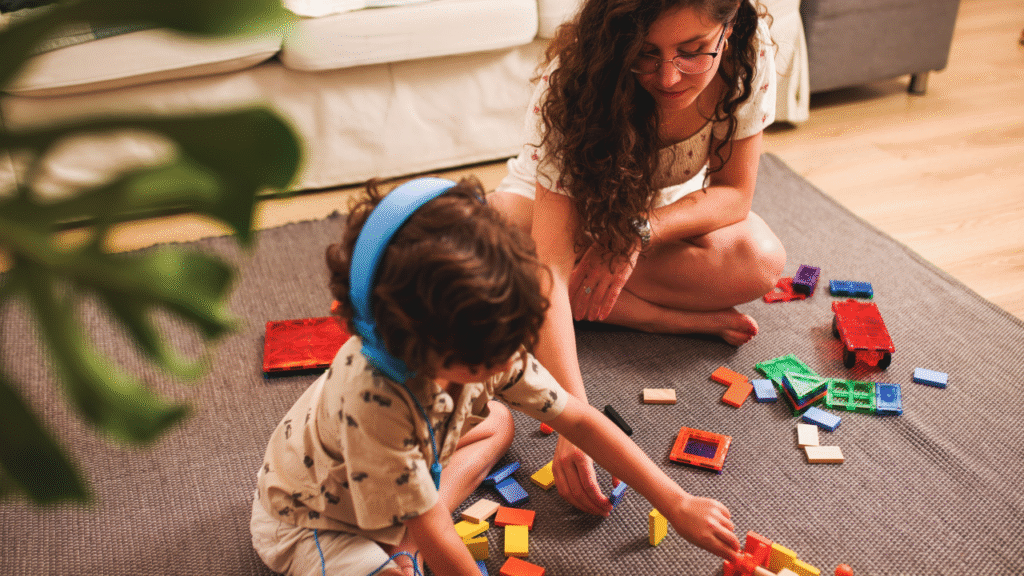
The journey through physical development stages is full of twists and turns much like a rollercoaster ride! As parents or caregivers, it’s important to provide opportunities for active play. This not only supports physical growth but also fosters cognitive and emotional development.
The early years are crucial for developing gross and fine motor skills that lay the groundwork for future learning experiences.
Remember! Each child develops at their own pace. Some might be climbing Everest by age three, while others prefer the gentle slopes of the playground. Celebrate every milestone achieved!
If you’re ever concerned about your child’s physical development or notice any signs of delays, like not being able to jump by age four, don’t hesitate to reach out to your pediatrician or an early childhood educator for guidance.
Language Development in Toddlers and Preschoolers
Ah, the magical world of words! Language development in toddlers and preschoolers is like watching a tiny flower bloom into a vibrant garden. Those early childhood development stages are crucial, as they set the foundation for your child’s communication skills, social interactions, and cognitive growth.
During these formative years, children typically reach significant speech and language milestones. By age two, many toddlers can use simple two-word phrases like “more juice” or “big truck.” By three, they’re often stringing together short sentences that could rival some of our more eloquent dinner guests!
Key Language Milestones to Watch For:
- By 12 months: Babbling with inflections and gestures.
- By 18 months: A vocabulary of about 10-25 words.
- By 24 months: Combining words into phrases.
- By 36 months: Using sentences with three or more words.
But remember, every child is unique! While some may be chatting away like little chatterboxes, others might take their sweet time. It’s all part of the typical child development sequence. If you notice your child isn’t hitting these milestones, it might be worth consulting a pediatrician about potential developmental delays in children signs and symptoms.
Nurturing Communication Skills Through Play-Based Learning
The best part? You can boost language development while having fun! Engaging in play-based learning for preschoolers not only nurtures their creativity but also enhances their communication skills. Here are some age-appropriate activities for toddlers to encourage language growth:
- Reading Together: Choose colourful picture books with repetitive phrases to encourage participation.
- Singing Songs: Nursery rhymes are not just catchy; they help with rhythm and vocabulary!
- Role-Playing: Use dolls or action figures to create stories together. Imagination fuels language!
- Pretend Play: Set up a mini grocery store or restaurant where they can practice asking for items or ordering food.
Your involvement is key! The more you engage with your little one during these early learning stages, the more confident they’ll become in expressing themselves. Plus, it’s an opportunity for you to bond over shared laughter and creativity!
Supporting Early Childhood Growth and Learning at Home
As parents, you wear many hats: chef, chauffeur, and sometimes, even a magician! But one of the most important roles you play is that of a guide in your child’s journey through the early childhood development stages. By fostering an environment that nurtures growth and learning at home, you’re setting the stage for your little one’s success.
Did you know that engaging in age-appropriate activities can significantly enhance your child’s cognitive, emotional, and social skills? Let’s explore how to make this happen!
1. Create a Stimulating Environment
Your home should be a playground of ideas! Here are some tips:
- Interactive Play Areas: Set up designated spaces for different types of play; think sensory bins for infants or building blocks for toddlers. This encourages exploration and creativity.
- Learning Materials: Stock up on books, puzzles, and art supplies that match your child’s interests. Remember, the right tools can turn any moment into a learning opportunity.
- Routine is Key: Establishing a routine helps children feel secure while also promoting independence. Incorporate time for free play, structured activities, and even quiet reading time.
2. Engage in Meaningful Conversations
The magic happens when you talk with your child! Here’s how to boost their language development:
- Ask Open-Ended Questions: Instead of “Did you have fun today?” try “What was your favourite part of today?” This encourages them to express themselves more fully.
- Singing and Storytelling: Use songs and stories to introduce new vocabulary. Plus, who doesn’t love a good story? It strengthens their listening skills!
- Praise Efforts: Celebrate their attempts at communication. When they try new words or sentences, give them positive reinforcement to build confidence.
3. Foster Social Skills Through Playdates
Your living room can be the ultimate social hub! Here’s how to set up successful playdates:
- Select Compatible Friends: Choose playmates who share similar interests or temperaments to ensure smoother interactions.
- Create Structured Activities: Plan games or crafts that require teamwork. This way, children learn sharing and cooperation while having fun!
- Mediation Skills: Be ready to step in if conflicts arise. Teach problem-solving skills by guiding them on how to express feelings and find solutions together.
4. Monitor Developmental Milestones
- Cognitive development: Problem-solving abilities and critical thinking skills.
- Physical development: Mastery of gross motor skills like running or fine motor skills such as drawing.
- Emotional development: Understanding feelings and developing empathy towards others.
- Language development: Expanding vocabulary and improving communication skills through conversations.
If you notice any signs of developmental delays in children, like not hitting key milestones, don’t hesitate to seek guidance from professionals who specialize in early childhood education.
A Final Thought
Your involvement is crucial during these formative years! By supporting early childhood growth and learning at home through engaging activities and meaningful interactions, you’re not just helping them reach their potential; you’re also creating cherished memories along the way!
The Role of Play-Based Learning in Child Development
When it comes to early childhood development stages, play isn’t just a way to pass the time; it’s the secret sauce for growth! Think of it as the ultimate toolkit for your little ones, packed with everything they need to thrive in the world. Play-based learning is like a superhero cape that transforms ordinary activities into extraordinary learning experiences.
During these formative years, children are like sponges, soaking up knowledge and skills through every giggle, wiggle, and imaginative adventure. Here’s how play-based learning supports various developmental stages in children:
Cognitive Development
As kids engage in play, they’re not just having fun; they’re building critical thinking skills. Whether it’s stacking blocks or solving puzzles, each activity fosters problem-solving abilities and creativity. For example:
- Building Blocks: Enhances spatial awareness and encourages mathematical thinking.
- Pretend Play: Boosts imagination and narrative skills, essential for language development.
Emotional Development
Play provides a safe space for children to explore their feelings and learn about empathy. Through role-playing games, they can step into someone else’s shoes (sometimes literally!) and understand different perspectives. This is crucial for developing emotional intelligence.
Social Skills
When kids play together, they learn the art of cooperation and negotiation skills that are vital for their future interactions. Sharing toys might seem trivial to adults, but it’s a big deal in the world of preschoolers!
Key Takeaway: Research shows that children who engage in play-based learning exhibit better social skills and emotional regulation compared to those who don’t.
Physical Development
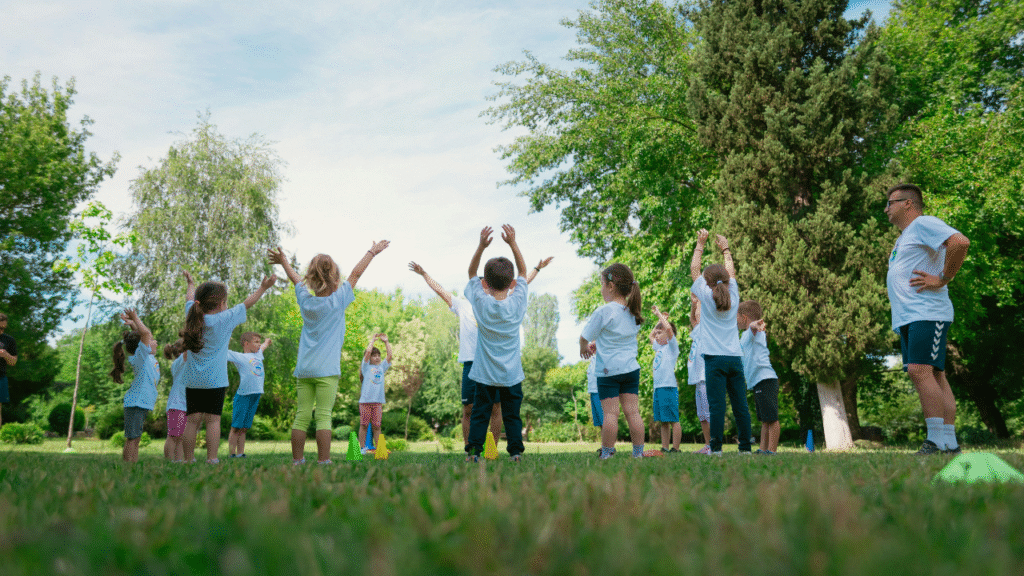
From running around the playground to mastering fine motor skills with arts and crafts, play is essential for physical growth. Activities like climbing or dancing not only build gross motor skills but also encourage healthy physical habits early on.
Nurturing Language Skills
The beauty of play is that it naturally incorporates language development. Singing songs during circle time or narrating stories while playing helps toddlers hit those important speech and language milestones.
“Play is the highest form of research.” Albert Einstein
If you’re wondering how to integrate more play-based learning at home, consider these simple strategies:
- Create a dedicated play area filled with age-appropriate toys that stimulate creativity.
- Encourage outdoor playtime; nature offers endless opportunities for exploration!
- Participate in your child’s games; this not only strengthens your bond but also models social behaviours.
The takeaway? Embrace play as a fundamental part of your child’s daily routine. By prioritizing fun-filled activities that align with their developmental needs, you’re setting them up for success across all areas, from cognitive growth to emotional resilience!
Nurturing Holistic Child Development Approaches
When it comes to early childhood development stages, nurturing a holistic approach is like crafting a beautiful symphony—each instrument plays its part, creating a harmonious melody of growth. This method recognizes that children are not just growing physically but also emotionally, socially, and cognitively. So, let’s dive into how we can support our little maestros on their developmental journey!
Understanding the Whole Child
Holistic child development emphasizes the interconnectedness of various developmental areas. Here’s what that means:
- Cognitive Development: Engaging activities that stimulate thinking and problem-solving skills.
- Emotional Development: Helping children understand and manage their feelings fosters resilience and empathy.
- Social Development: Encouraging interactions with peers builds essential social skills.
- Physical Development: Supporting both gross and fine motor skills through active play.
- Language Development: Creating rich language environments promotes communication skills.
The Early Years Learning Framework
The Early Years Learning Framework (EYLF) provides a solid foundation for holistic approaches in early childhood education. It emphasizes five key outcomes that guide educators in nurturing children’s development:
- Children have a strong sense of identity.
- Children are connected with and contribute to their world.
- Children have a strong sense of well-being.
- Children are confident and involved learners.
- Children are effective communicators.
Nurturing Strategies for Parents and Educators
A holistic approach requires collaboration between parents, educators, and the community. Here are some strategies to consider:
- Incorporate Play-Based Learning: Create learning experiences through play that promote exploration and discovery. Think scavenger hunts or sensory bins!
- Encourage Emotional Expression: Use tools like emotion cards or storytelling to help children articulate their feelings.
- Foster Social Skills: Organize playdates or group activities where children can practice sharing, taking turns, and resolving conflicts.
- Promote Physical Activity: Engage in outdoor play or sports that enhance gross motor skills while having fun!
- Read Together Daily: Reading not only enhances language development but also strengthens the parent-child bond.
Remember: Each child develops at their own pace! Regularly refer to a developmental milestones chart to track progress without comparing them to others.
Nurturing your child’s holistic development is not just about ticking boxes on a checklist; it’s about understanding their unique journey through the typical child development sequence. By embracing this comprehensive approach, you’ll be setting the stage for lifelong learning and success!
Recognizing Signs of Developmental Delays in Children
As parents, we often find ourselves in a whirlwind of excitement and worry as we navigate the early childhood development stages of our little ones. While each child is unique and develops at their own pace, it’s crucial to be aware of potential developmental delays in children. Recognizing these signs early can make a world of difference!
So, what should you keep an eye out for? Let’s break it down:
Common Signs of Developmental Delays
- Cognitive Delays: If your child struggles with problem-solving or following simple instructions by age-appropriate milestones, it might be time to consult a professional.
- Language Development Issues: By the age of two, toddlers should be using simple sentences. If your child isn’t speaking or has limited vocabulary, that could signal a delay.
- Social Skills Deficiencies: Does your little one avoid eye contact or have trouble playing with peers? These could be red flags for social development issues.
- Emotional Regulation Struggles: If your child frequently has meltdowns or exhibits extreme mood swings beyond what is typical for their age, consider seeking advice.
- Physical Development Concerns: Is your child not walking by 15 months or struggling with basic motor skills? These might indicate delays in physical development.
Key Takeaway: Monitoring these areas can help you identify if your child is on track with their developmental milestones. Early intervention can lead to better outcomes!
The Importance of Tracking Developmental Milestones
Your child’s journey through the various stages of child development is like a roadmap. Each milestone achieved marks a significant point along this path. By understanding these markers, you can better gauge whether your child is progressing as expected. Remember that developmental milestones are not just checkboxes; they represent critical aspects of growth that encompass cognitive, emotional, social, and physical domains.
A Holistic Approach to Monitoring Growth
A holistic view on monitoring growth includes observing how your child interacts with their environment and peers. Engaging in activities that promote play-based learning can provide insights into their developmental progress. For instance:
- Playdates: Observe how they interact during playtime.
- Storytime: Assess their language skills through storytelling sessions.
- Outdoor Activities: Look for physical skill development through active play.
If you notice any concerning signs or if something feels off, don’t hesitate to reach out to healthcare professionals who specialize in early childhood education and development. They can provide tailored guidance based on the latest research and practices surrounding the early years learning framework.
Navigating the complexities of childhood growth patterns may seem daunting at times, but remember: you’re not alone! With vigilance and support from professionals, you can ensure that your little diamond shines brightly throughout their developmental journey!
Conclusion
As we wrap up this whirlwind tour through the early childhood development stages, it’s essential to remember that each child’s journey is unique. Just like no two snowflakes are alike, every little one will bloom in their own time and in their own way. Embracing this individuality is key to nurturing their growth!
Understanding the various developmental stages in children helps us recognize the child development milestones that signal progress. From the early days of infant developmental stages, where even a smile can be monumental, to the bustling energy of toddler growth and development, knowing what to expect can make all the difference.
Key Takeaway: Stay engaged with your child’s development by observing their progress and providing age-appropriate activities that foster growth across cognitive, emotional, and physical domains.
Moreover, the importance of play-based learning cannot be overstated. This approach not only supports cognitive development but also encourages social interactions and emotional resilience, qualities that will serve them well throughout life. So don’t shy away from getting a little messy with art supplies or diving into imaginative play!
If you ever find yourself wondering whether your child is hitting their developmental milestones, remember that it’s okay to seek guidance. Recognizing signs of developmental delays in children early on can lead to timely support and interventions, ensuring they have every opportunity to shine.
In conclusion, being an informed parent means being an empowered parent. Equip yourself with knowledge about your child’s growth patterns and engage with them through meaningful activities. After all, you are not just a spectator in this journey; you are a crucial part of it!