

Calgary offers various daycare activities for toddlers, focusing on their development. These programs aim to engage young children through diverse experiences, fostering growth in areas like sensory processing, creativity, and social skills.
Sensory Play
Sensory play involves activities that stimulate a child’s senses: touch, sight, sound, smell, and sometimes taste. This type of play helps toddlers understand their environment and develop cognitive abilities. In a Calgary daycare setting, sensory play often includes hands-on exploration of different materials.
Exploring Textures
Children interact with varied textures. Examples include sand, water, playdough, and rice. These materials allow toddlers to feel, manipulate, and describe their tactile experiences. This activity builds fine motor skills as children scoop, pour, and mold.
Visual and Auditory Engagement
Visual stimulation comes from colorful objects, light tables, or discovery bottles filled with glitter and small toys. Auditory engagement involves instruments, rhythm sticks, or exploration of sound-making objects. These activities help toddlers differentiate between sounds and colors, improving their observational skills.
Scent and Taste Exploration (Supervised)
Some daycares incorporate safe, mild scents like lavender or vanilla in playdough, or introduce taste-safe, non-toxic sensory bins. This is always done under strict supervision, prioritizing safety. These experiences introduce toddlers to a broader range of sensory input, expanding their understanding of the world.
Creative Arts and Crafts
Creative arts and crafts provide toddlers with opportunities for self-expression and skill development. These activities encourage imagination and fine motor control, essential for later writing development.
Painting and Drawing
Toddlers use various mediums like finger paint, chunky crayons, or washable markers. They explore color mixing and develop hand-eye coordination. Large paper allows for free expression, reducing frustration in young children. The process, rather than the product, is the focus here. Each stroke is a step in discovery.
Sculpting and Building
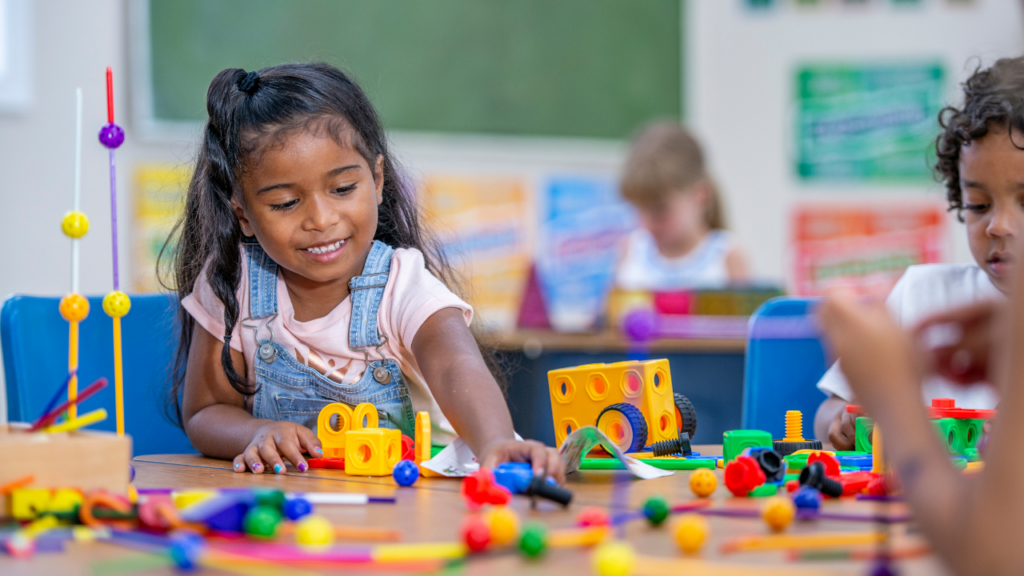
Playdough, clay, or even kinetic sand allow toddlers to sculpt and build. This strengthens hand muscles and enhances spatial reasoning. Children can create simple shapes or more complex forms as their skills develop. This is a foundational activity, like a constructor building with simple bricks.
Collage and Mixed Media
Using various materials like fabric scraps, natural items, or colored paper, toddlers create collages. This activity fosters creativity and introduces different textures. It also helps children understand how different elements can combine to form a new whole.
Outdoor Adventures
Outdoor activities are vital for toddlers’ physical development and connection with nature. Calgary daycares often utilize local parks, playgrounds, or their own outdoor spaces.
Playground Exploration
Playgrounds offer a range of equipment for gross motor skill development. Toddlers climb on structures, slide down slides, and swing. These activities improve balance, coordination, and strength. The playground is a gym for their growing bodies.
Nature Walks
Supervised walks around the daycare perimeter or nearby parks allow toddlers to observe their natural environment. They might collect leaves, stones, or investigate insects. This fosters curiosity and respect for nature. Each walk is an expedition of discovery.
Gardening Activities
Some daycares involve toddlers in simple gardening tasks like planting seeds or watering plants. This teaches them about life cycles and responsibility. It’s a tangible lesson in nurturing.
Music and Movement
| Category | Metrics |
|---|---|
| Music | Number of songs |
| Movement | Steps taken |
| Music and Movement | Duration of activity |
Music and movement activities stimulate cognitive development, language skills, and emotional expression. Rhythm and dance are powerful tools for engaging young children.
Singing and Rhymes
Toddlers learn songs and rhymes, which aid in language acquisition and memory. Actions accompanying songs help with coordination and following instructions. This is like a verbal map guiding their hands and feet.
Instrument Play
Simple instruments like shakers, drums, or xylophones allow toddlers to explore sound and rhythm. This activity develops auditory discrimination and introduces basic musical concepts. Each beat is a conversation without words.
Dance and Free Movement
Free dance encourages self-expression and gross motor development. Toddlers can mimic animal movements or respond to different musical tempos. Structured dance, like simple circle games, teaches cooperation and turn-taking.
Story Time and Literacy Activities
Fostering a love for reading and learning begins in early childhood. Daycares incorporate various literacy activities to engage toddlers.
Read-Aloud Sessions
Teachers read age-appropriate books, using expressive voices and actions to keep toddlers engaged. This exposes children to new vocabulary, story structure, and the pleasure of shared reading. The book becomes a window to new worlds.
Picture Book Exploration
Toddlers are given access to a variety of picture books to explore independently. This encourages them to turn pages, identify objects, and develop a sense of narrative. Even without understanding every word, they learn the flow of a story.
Puppet Shows and Felt Boards
Puppet shows and felt board stories bring narratives to life, making them more interactive and engaging for toddlers. These activities also encourage imagination and verbal participation. The puppets are actors on a small stage.
Imaginative Play
Imaginative play, also known as pretend play, is critical for social and emotional development. It allows toddlers to explore roles, solve problems, and understand social interactions.
Dress-Up and Role-Playing
Costumes and props encourage toddlers to take on different roles, such as doctors, chefs, or animals. This helps them understand social roles and empathy. They step into another’s shoes, if only for a moment.
Dollhouse and Miniature Worlds
Playing with dollhouses, cars, or animal figures allows toddlers to create their own narratives and scenarios. This fosters creativity and problem-solving. These small worlds are reflections of their own larger one.
Building Forts and Tunnels
Using blankets, pillows, or large blocks, toddlers create forts and tunnels. This encourages cooperative play, spatial reasoning, and imaginative adventures. The fort is their kingdom, the tunnel their secret passage.
Educational Games and Puzzles
Educational games and puzzles enhance cognitive skills and problem-solving abilities. They offer structured learning experiences in a fun, engaging way.
Shape Sorters and Stacking Toys
These classic toys teach toddlers about shapes, sizes, and colors. They also improve fine motor skills and spatial reasoning. Each piece fitting is a small victory.
Simple Puzzles
Chunky wooden puzzles or knob puzzles with a few pieces help toddlers develop problem-solving skills and hand-eye coordination. They learn about part-to-whole relationships. The puzzle is a small challenge, a mountain to climb.
Matching and Memory Games
Picture matching games or simple memory card games help toddlers develop recognition skills and memory retention. This trains their minds to store and retrieve information.
Choosing the Right Daycare in Calgary
When selecting a daycare in Calgary, parents often consider various factors. The activities offered should align with the child’s developmental needs and interests. A good daycare provides a balanced program that includes all the aforementioned elements.
Qualified Staff
Caretakers trained in early childhood education understand toddler development and how to implement engaging activities effectively. Their expertise ensures that activities are age-appropriate and safe. They are the architects of the play space.
Safe Environment
The facility should adhere to safety standards, with secure play areas, child-proofed spaces, and appropriate supervision. Safety is the foundation upon which all activities rest.
Communication with Parents
Regular communication between daycare staff and parents is essential. Updates on a child’s progress, daily activities, and any concerns ensure a transparent and collaborative approach to the child’s development. This communication acts as a bridge between home and daycare.
Program Philosophy
Each daycare has a unique philosophy. Some may emphasize play-based learning, while others might incorporate more structured educational elements. Understanding this philosophy helps parents choose a setting that matches their values and expectations for their child’s early education. The philosophy is the compass guiding the daycare’s direction.
Conclusion
Calgary daycares offer a range of activities designed to support toddlers’ holistic development. From sensory exploration to imaginative play and structured learning, these programs aim to equip young children with foundational skills for their future. By engaging in these diverse activities, toddlers in Calgary daycares embark on a journey of discovery and growth, building their physical, cognitive, social, and emotional capacities. Each day is a new chapter in their unfolding story.
FAQs
1. What are some examples of sensory play activities for toddlers?
Some examples of sensory play activities for toddlers include playing with sensory bins filled with materials like rice or water, exploring different textures with sensory bags, and engaging in messy play with materials like playdough or finger paints.
2. How can creative arts and crafts benefit toddlers’ development?
Engaging in creative arts and crafts activities can benefit toddlers’ development by enhancing their fine motor skills, fostering creativity and self-expression, and promoting cognitive development through decision-making and problem-solving.
3. What are some outdoor adventures suitable for toddlers in Calgary?
Some outdoor adventures suitable for toddlers in Calgary include visiting local parks and playgrounds, going on nature walks to explore the natural environment, and participating in activities like scavenger hunts or simple sports games.
4. How does music and movement stimulate a toddler’s development?
Music and movement activities stimulate a toddler’s development by promoting physical coordination and balance, encouraging self-expression and creativity, and fostering social interaction and communication skills through group activities.
5. What are some examples of educational games and puzzles that can enhance a toddler’s cognitive skills?
Examples of educational games and puzzles that can enhance a toddler’s cognitive skills include shape sorters, matching games, simple jigsaw puzzles, and memory games that encourage problem-solving, memory retention, and critical thinking skills.