
Welcome to the wonderful world of preschool development! As your little one embarks on this exciting journey, understanding their preschool learning milestones becomes essential. Think of it as a treasure map, guiding you through the various stages of your child’s growth and learning.
Early childhood education is not just about colors and shapes; it’s a vibrant tapestry woven with cognitive, social, emotional, and physical threads. Each milestone they reach is like a sparkling diamond in their developmental crown, shining bright with potential.
From mastering fine motor skills like those adorable little finger-paint masterpieces to developing language skills that will have them chatting away about dinosaurs or princesses, every achievement is a building block for their future. And let’s not forget those all-important social skills! Preschool is where they learn to share, take turns, and navigate friendships skills that will serve them well in kindergarten and beyond.
Did You Know? Studies show that children who reach key preschool learning milestones are better prepared for kindergarten readiness. This means they’re more likely to thrive in school settings!
The preschool curriculum is designed to cater to these developmental milestones through engaging activities that promote exploration and creativity. Play-based learning is at the heart of this approach because let’s be honest: learning through play is way more fun than sitting at a desk!
As we dive deeper into your child’s preschool development journey, we’ll explore the various aspects of early childhood education from cognitive development to emotional growth and how you can be an active participant in nurturing your child’s brilliance. So grab your magnifying glass (or just your coffee) and let’s uncover the magic of preschool together!
The Importance of Early Childhood Education
Early childhood education is like the secret sauce to a child’s success. It’s not just about learning the ABCs and 123s; it’s a holistic approach that lays the foundation for lifelong learning and development. Think of it as planting a seed in a garden with the right care, it blossoms into something beautiful.
So, what exactly does early childhood education encompass? It includes structured programs designed for children from birth to age 8, focusing on their overall growth. This encompasses cognitive skills, social skills, emotional development, language acquisition, and even those all-important fine and gross motor skills.
Did you know? Research shows that children who participate in high-quality early childhood education programs are better prepared for kindergarten and beyond. They often outperform their peers in literacy and numeracy skills!
Benefits of Starting Education Early
- Cognitive Development: Engaging preschool learning activities stimulate brain development. Children learn to think critically and solve problems through play-based learning.
- Social Skills: Early education settings provide opportunities for kids to interact with peers, fostering social skills that are crucial for future relationships.
- Emotional Growth: Learning in a supportive environment helps children develop emotional intelligence, teaching them how to express feelings appropriately.
- Language Acquisition: Exposure to rich vocabulary and storytelling techniques enhances language development in preschoolers, setting them up for reading success.
- School Readiness: A solid preschool curriculum ensures kids meet age-appropriate learning goals, making the transition to kindergarten smoother.
The benefits of early childhood education don’t just stop at academic success; they extend into adulthood! Kids who have quality preschool experiences are more likely to graduate high school, pursue higher education, and even secure stable jobs later on. It’s like giving them a head start in life!
In Canada, we have early childhood education standards that guide these programs, ensuring they meet developmental milestones tailored to each child’s needs. So when you’re looking at preschool options for your little one, consider how these programs align with educational standards it’s vital for nurturing your child’s unique brilliance!
Understanding Preschool Learning Milestones
Ah, preschool learning milestones the magical markers that tell us our little ones are developing in leaps and bounds! Think of these milestones as the GPS guiding you through the enchanting landscape of early childhood education. They help parents and educators understand where children stand in their developmental journey, ensuring they’re on track for kindergarten readiness and beyond.
Generally, preschool learning milestones can be grouped into five key areas:
- Cognitive Development Milestones: This is where the brain gets busy! At this stage, children start to recognize shapes, colors, and numbers. They might even begin to understand the concept of time like when snack time is (which is obviously the most important part of their day).
- Social Skills in Early Childhood Milestones: Watch out world! Your child will start sharing toys, taking turns, and engaging in simple conversations. This is where they learn to navigate friendships, which can be as tricky as a game of Twister!
- Emotional Development Milestones: Here’s where we see those tiny emotional rollercoasters! Children begin to identify their feelings and express them verbally. They might say “I’m sad” instead of just throwing a tantrum over a lost toy progress!
- Language Development Milestones: Expect a vocabulary explosion! By age four, many preschoolers can form full sentences and express their thoughts clearly. You might even find them reciting lines from their favorite cartoons hello future actors!
- Physical Development Milestones (Fine and Gross Motor Skills): From holding crayons to running like the wind, this is when kids refine their coordination. Fine motor skills involve activities like cutting with scissors or building with blocks, while gross motor skills include jumping or climbing perfect for all those outdoor learning environments!
Did you know? According to early childhood education standards in Canada, these milestones are crucial indicators for assessing child development stages. Keeping track helps ensure that your child receives appropriate support through preschool learning activities tailored to their needs.
The beauty of understanding these preschool learning milestones lies in recognizing that every child develops at their own pace. So while one child may be reciting the alphabet by three years old, another might be perfecting their tower-building technique. Both paths lead to success in unique ways!
If you’re ever feeling lost on this journey or if your little one seems to be taking a detour don’t hesitate to reach out for guidance from educators or use developmental screening tools available in Canada. Remember, staying informed about your child’s growth is key to supporting them effectively.
The Role of Play-Based Learning in Development
When it comes to preschool learning milestones, play-based learning is like the secret sauce that makes everything taste better. Imagine a world where your child’s imagination runs wild, and every block they stack or song they sing is a step toward mastering essential skills. Sounds magical, right? Well, that’s the power of play!
Key Takeaway: Play-based learning fosters cognitive development, enhances social skills, and supports emotional growth all while your child thinks they’re just having fun!
Benefits of Play-Based Learning for Preschoolers
Play isn’t just about fun and games; it’s a vital component of early childhood education. Here are some remarkable benefits:
- Cognitive Development: Through play, children explore concepts like numbers, letters, and problem-solving without even realizing they’re learning!
- Social Skills: Sharing toys or taking turns in a game teaches kids how to interact with others essential for their social skills in early childhood.
- Emotional Development: Navigating the highs and lows of play helps children understand their feelings and develop empathy.
- Physical Skills: From building towers to dancing around the room, play enhances both fine and gross motor skills in preschoolers.
Types of Play That Support Learning
Now that we’ve established why play is crucial, let’s dive into the types of play that can supercharge your child’s preschool journey:
- Sensory Play: Activities like finger painting or playing with sand stimulate senses and encourage exploration. Plus, who doesn’t love getting messy?
- Music and Movement Activities: Singing songs or dancing around not only boosts physical activity but also supports language development in early childhood.
- Dramatic Play: Pretend play like setting up a restaurant with stuffed animals develops creativity while enhancing social interaction.
- Outdoor Learning Environments: Nature-based activities promote curiosity about the world while developing gross motor skills.
The beauty of play-based learning is that it aligns perfectly with age-appropriate learning goals. Instead of sitting at a desk memorizing facts, children engage in dynamic experiences that naturally lead them toward achieving those crucial preschool learning milestones.
The takeaway? Embrace the chaos! Encourage your little ones to explore through play; it’s not just fun it’s foundational for their growth. So next time you hear giggles coming from the living room, remember: they might just be building their future one block at a time!
Preschool Curriculum Overview
When it comes to preschool learning milestones, having a well-structured curriculum is like having a treasure map for your child’s development journey. A thoughtfully designed preschool curriculum not only aligns with early childhood education standards but also sets the stage for crucial skills that will be built upon in later years.
So, what does a comprehensive preschool curriculum entail? Let’s break it down:
- Components of a Well-Rounded Preschool Curriculum:
- Cognitive Development: Activities that challenge young minds, from puzzles to simple science experiments, help foster critical thinking and problem-solving skills.
- Social Skills in Early Childhood: Group activities and cooperative play are essential for teaching children how to interact, share, and resolve conflicts.
- Emotional Development: Incorporating activities that encourage self-expression and empathy helps children understand their own feelings and those of others.
- Age-Appropriate Learning Goals for Preschoolers: The goals should be tailored to each child’s developmental stage. For instance, while some might be mastering their fine motor skills, others may be focusing on enhancing their language development through storytelling techniques or music and movement activities.
- Integration of Literacy and Numeracy Skills: A solid preschool curriculum weaves together early literacy skills and numeracy skills for preschoolers through engaging activities. Think of it as a delightful recipe where reading stories is mixed with counting games yum!
- Play-Based Learning Benefits: The backbone of any good preschool curriculum is play-based learning. Why? Because when kids play, they learn! This approach allows children to explore their interests while developing essential skills. Whether it’s through sensory play activities or art and craft ideas, the benefits are abundant.
- Outdoor Learning Environments: Don’t underestimate the power of fresh air! Incorporating outdoor learning environments provides children with opportunities for gross motor skill development while they engage in nature-based play.
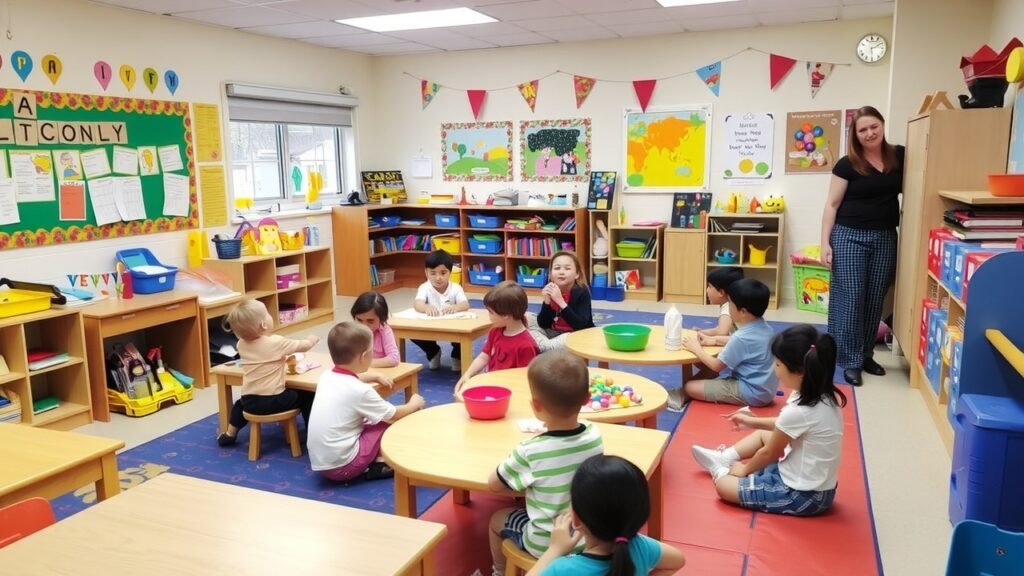
Remember: The key to effective early childhood education lies in balancing structured learning with plenty of opportunities for exploration and creativity!
The ultimate goal? To prepare our little diamonds for kindergarten readiness, ensuring they not only meet but exceed those important preschool learning milestones!
Kinder Readiness: Preparing for the Next Step
So, your little one is about to take the leap from preschool to kindergarten! This transition can feel like a big deal like moving from the cozy confines of a treehouse to a bustling schoolyard. But fear not! Understanding preschool learning milestones will help you and your child navigate this exciting journey.
Kindergarten readiness isn’t just about being able to write their name or recognize numbers; it’s a holistic approach that encompasses various aspects of development. Think of it as preparing a recipe each ingredient plays a crucial role!
The Ingredients of Kindergarten Readiness
- Cognitive Development: Can they follow directions? Do they ask questions? These skills are essential for grasping new concepts.
- Social Skills: Sharing, taking turns, and playing cooperatively are vital social skills in early childhood that help children thrive in group settings.
- Emotional Development: Can they express their feelings? Understanding emotions is key for building relationships with peers and teachers.
- Language Skills: Are they able to communicate their thoughts clearly? Strong language development in early childhood lays the foundation for reading and writing.
- Physical Skills: Mastery of fine and gross motor skills in preschoolers like holding scissors or jumping rope enhances their ability to participate in classroom activities.
Fun Fact: According to recent studies, children who meet preschool learning milestones are more likely to succeed academically in later years!
Your School Readiness Checklist
If you’re scratching your head wondering how ready your child truly is, here’s a handy school readiness checklist for parents in Canada:
- Can they recognize basic shapes and colors?
- Do they know how to use scissors safely?
- Are they comfortable with routines (like lining up or transitioning between activities)?
- Can they express what they want or need verbally?
- Do they show curiosity about the world around them?
This checklist not only gives you insight into where your child stands but also highlights areas where you can engage them further. After all, preparation is key! Incorporate fun preschool learning activities at home that align with these milestones. Think arts and crafts for fine motor skills or storytime sessions that boost language development!
The road to kindergarten may have its bumps, but by focusing on these developmental milestones now, you’re setting up your little diamond for success. Remember, every child develops at their own pace so enjoy this precious time together as you prepare for the next big adventure!
The Role of Parents in Early Education
When it comes to your child’s preschool development journey, parents are the ultimate co-pilots. Think of early childhood education as a thrilling roller coaster ride sure, the preschool provides the tracks, but it’s the parents who keep the kids strapped in and ready for action!
Research shows that active parent involvement in preschool education significantly boosts children’s learning and development. In Canada, this involvement is not just encouraged; it’s essential! Studies indicate that children whose parents engage with their learning tend to hit those crucial preschool learning milestones more consistently.
The Importance of Parent Involvement
- Building a Strong Foundation: Parents can help reinforce what children learn at preschool, making those lessons stick like peanut butter on toast.
- Cognitive Development: Engaging in simple activities like reading together or playing educational games can enhance cognitive skills and boost early literacy skills.
- Social Skills Development: Encouraging playdates or group activities helps children develop social skills in early childhood because let’s face it, sharing toys is a life skill!
- Emotional Support: Your encouragement can help nurture emotional development in preschoolers, making them more resilient and confident as they navigate their world.
Strategies for Supporting Learning at Home
No need to don a superhero cape; even small actions can make a big difference! Here are some fun strategies for parents:
- Create a Learning Space: Set up a cozy nook filled with books and educational toys. Think of it as your child’s very own Hogwarts library magic happens when they open those pages!
- Incorporate Play-Based Learning: Use everyday moments to teach. Cooking? Count the spoons! Grocery shopping? Identify colors and shapes! The world is your classroom.
- Sensory Play Activities: Engage their senses with activities like water play or finger painting. It’s messy but oh-so-fun and fantastic for fine motor skills in preschoolers!
- Open Communication: Regularly discuss what your child is learning at preschool. This not only reinforces their knowledge but also shows them you’re invested in their journey.
Remember: Every little bit counts! Your engagement today sets the stage for their kindergarten readiness tomorrow.
The role of parents in early education cannot be overstated. By actively participating in your child’s preschool experience, you’re helping pave the way for their future success one milestone at a time!
Assessment Tools for Preschool Development
When it comes to tracking preschool learning milestones, assessment tools are your trusty sidekicks. They help parents and educators gauge a child’s progress and identify areas that might need a little extra sparkle. Let’s dive into some of the most effective assessment tools available in Canada!
Developmental Screening Tools
Developmental screening tools play a crucial role in early childhood education by providing snapshots of where your child stands in various domains of development. These tools assess cognitive, social, emotional, language, and physical skills essentially the whole package!
- Ages & Stages Questionnaires (ASQ): This tool focuses on developmental milestones from birth to age 5. It’s like a treasure map that leads you through different areas of growth.
- Denver Developmental Screening Test: Often used by healthcare providers, this tool screens for developmental delays in children up to age 6. Think of it as a friendly check-up for your child’s development.
- Canadian Pediatric Society Guidelines: These guidelines provide a framework for assessing developmental milestones and are tailored specifically for Canadian children.
Did You Know?
The earlier you identify potential developmental delays, the better! Early intervention can significantly improve outcomes for preschoolers.
Cognitive and Language Assessments
Cognitive development in preschoolers is often assessed through playful activities that measure problem-solving skills and memory. Language assessments can include simple tasks like identifying pictures or naming objects.
- PALS (Phonological Awareness Literacy Screening): This tool focuses on early literacy skills, assessing phonemic awareness an essential skill for reading success!
- K-ABC (Kaufman Assessment Battery for Children): A more comprehensive cognitive assessment that evaluates both verbal and non-verbal abilities.
Social and Emotional Development Assessments
The ability to navigate social situations and manage emotions is just as important as academic skills. Assessments in this area often involve observations during play-based learning activities.
- The Devereux Early Childhood Assessment (DECA): This tool focuses on emotional development in preschoolers, measuring resilience and social-emotional strengths.
- Achenbach Child Behavior Checklist: A widely used instrument that helps identify behavioral problems through parent reports.
The key takeaway here? Regular assessments not only help track progress but also empower parents to be active participants in their child’s educational journey. By understanding these tools, you can better support your little one’s growth towards those all-important preschool learning milestones!
Cultural and Inclusive Considerations in Preschool Education
When it comes to preschool learning milestones, cultural and inclusive considerations play a vital role in shaping a child’s educational experience. Think of your child’s preschool as a mini United Nations, where every culture, language, and background is represented and celebrated!
- Bilingual Education Opportunities in Preschools Canada In our increasingly multicultural society, bilingual education is becoming more than just a trend; it’s a necessity. Offering programs that teach both English and another language can help children develop early literacy skills while also fostering an appreciation for diversity. Imagine your little one singing “Twinkle, Twinkle Little Star” in both English and Spanish how cool is that?
- The Importance of Inclusive Education Practices Inclusive education means embracing all children, regardless of their abilities or backgrounds. This approach not only helps children with special needs but enriches the classroom experience for everyone. It’s like adding sprinkles to ice cream; it makes everything better! By incorporating various teaching strategies tailored to different learning styles, educators can ensure that every child meets their developmental milestones.
Key Takeaway: Emphasizing cultural inclusivity and bilingual education can significantly enhance preschool learning milestones, making early childhood education a richer experience for all children.
Moreover, creating an inclusive environment fosters social skills in early childhood. Kids learn empathy, respect, and teamwork by interacting with peers from diverse backgrounds. This not only prepares them for kindergarten readiness but also sets the stage for lifelong friendships.
In conclusion, prioritizing cultural considerations in preschool education isn’t just about ticking boxes it’s about nurturing well-rounded individuals who appreciate the world around them. So let’s make our preschools vibrant hubs of learning where every child feels valued!